Although sciatica can be treated effectively with physical therapy, millions of people suffer from this condition each year. Characterized by a sharp, shooting pain that radiates from the lower back down into the leg, sciatica can be nagging, debilitating, and frustrating. Sciatica often interferes with everything from work to sleep. Fortunately, physical therapy offers an effective, non-invasive approach to managing sciatica pain and restoring mobility.
What is Sciatica?
Sciatica is a symptom of irritation or compression on the sciatic nerve, the longest nerve in the body. The sciatic nerve originates in the lower spine and runs through the hips and buttocks down the back of each leg. When the nerve is compressed, inflamed, or irritated, it can cause a variety of symptoms including:
- Sharp, burning pain in the lower back, buttocks, or leg
- Tingling or numbness in the leg or foot
- Weakness in the affected leg
- Pain that worsens with prolonged sitting, coughing or sneezing

Aqua therapy can help manage pain from sciatica.
Sciatica is usually caused by underlying conditions such as herniated discs, spinal stenosis, degenerative disc disease, or even pregnancy. Poor posture, prolonged sitting, and the lack of movement can also contribute to its development.
How Can Physical Therapy Help?
Physical therapy, because it addresses the root cause of sciatica, is one of the most conservative and effective treatments for those who suffer from this. Physical therapy focuses on relieving pain, restoring function, and preventing the recurrence by addressing the root cause rather than just the symptoms. Here’s how:
Pain Relief Techniques
When patients are in the early stages of sciatica, a physical therapist will focus on relieving pain and reducing inflammation with manual therapy, a gentle hands-on approach to improving joint and soft tissue mobility. Also, modalities such as heat, ice, or electrical stimulation also reduce pain and inflammation. Positioning and education guidance are important as well. For instance, recommendations on proper posture, sleeping positions, and activity modifications help patients to avoid worsening symptoms.

Physical therapy can help manage sciatica.
Stretching and Mobility Exercises
Tight muscles can contribute to sciatic pain. Physical therapists will guide patients through a series of gentle stretches aimed at releasing tension in the hamstring muscles, improving flexibility in the lumbar spine and pelvis, and reducing nerve compression by creating more space for the sciatic nerve. The stretches are customized to the patients’ body and limitations.
Strengthening the Core and Lower Body
Once pain begins to improve, physical therapists introduce strengthening exercises to support the spine and reduce pressure on the sciatic nerve. A strong core, including abdominal and back muscles, plays a vital role in stabilizing the spine and improving posture. Strength training helps relieve symptoms and helps prevent future episodes of sciatica.
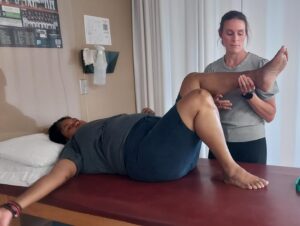
Physical therapy is an effective treatment for sciatica.
Posture Training
By teaching proper body mechanics, physical therapy helps reduce the strain on the spine and nerves. Poor posture and improper movement patterns places stress on the spine and increases the likelihood of the pain returning. With proper posture training, patients are able to move more efficiently and safely.
Functional Training and Return to Activity
This phase of physical therapy bridges the gap between healing and returning to ordinary activities of daily living. Physical therapists walk through activities that are specific to the patients’ lifestyles and goals. With physical therapy, patients recover and return to work, to playing with grandkids, to gardening and playing sports.

Improper sleep positions can cause a flare up of sciatica.
Why Choose Physical Therapy for Sciatica?
Physical therapy is the right choice for those suffering with sciatic pain. It’s non-invasive and drug-free. Tailored to your specific needs, physical therapy promotes long-term healing. Also, you’ll learn strategies, exercises, and tools that will help you manage your pain and take charge of your health.
If you’re experiencing lower back pain that radiates into your leg, don’t wait for it to resolve on its own. Early intervention shortens recovery time and prevents worsening symptoms. Though sciatica is a painful and frustrating condition, lasting relief is possible. Physical therapy offers a safe, effective and personalized path to recovery, helping you to get back to the activities you love, pain-free. If you are suffering from sciatica, consider scheduling an evaluation at Rehab Associates today. Your journey to relief and better movement can begin now!
For more information about Rehab Associates and our specialties, please visit our website: racva.com

Dr. Rebecca Irby offers advice on managing sciatica with physical therapy.
Dr. Rebecca Irby treats patients at the Rehab Associates Forest clinic. She received her bachelor’s degree in biology and chemistry from Virginia Tech and her doctorate in physical therapy from the Medical College of Virginia at VCU in Richmond, VA. With more than 20 years of experience, Dr. Irby enjoys general orthopedics including sports medicine and helping adults stay active throughout their lifespan. She values patient education and collaborative care. Outside the clinic, Dr. Irby is a distance runner who coaches a youth developmental cross country program and enjoys spending time with her husband and two teenaged children.