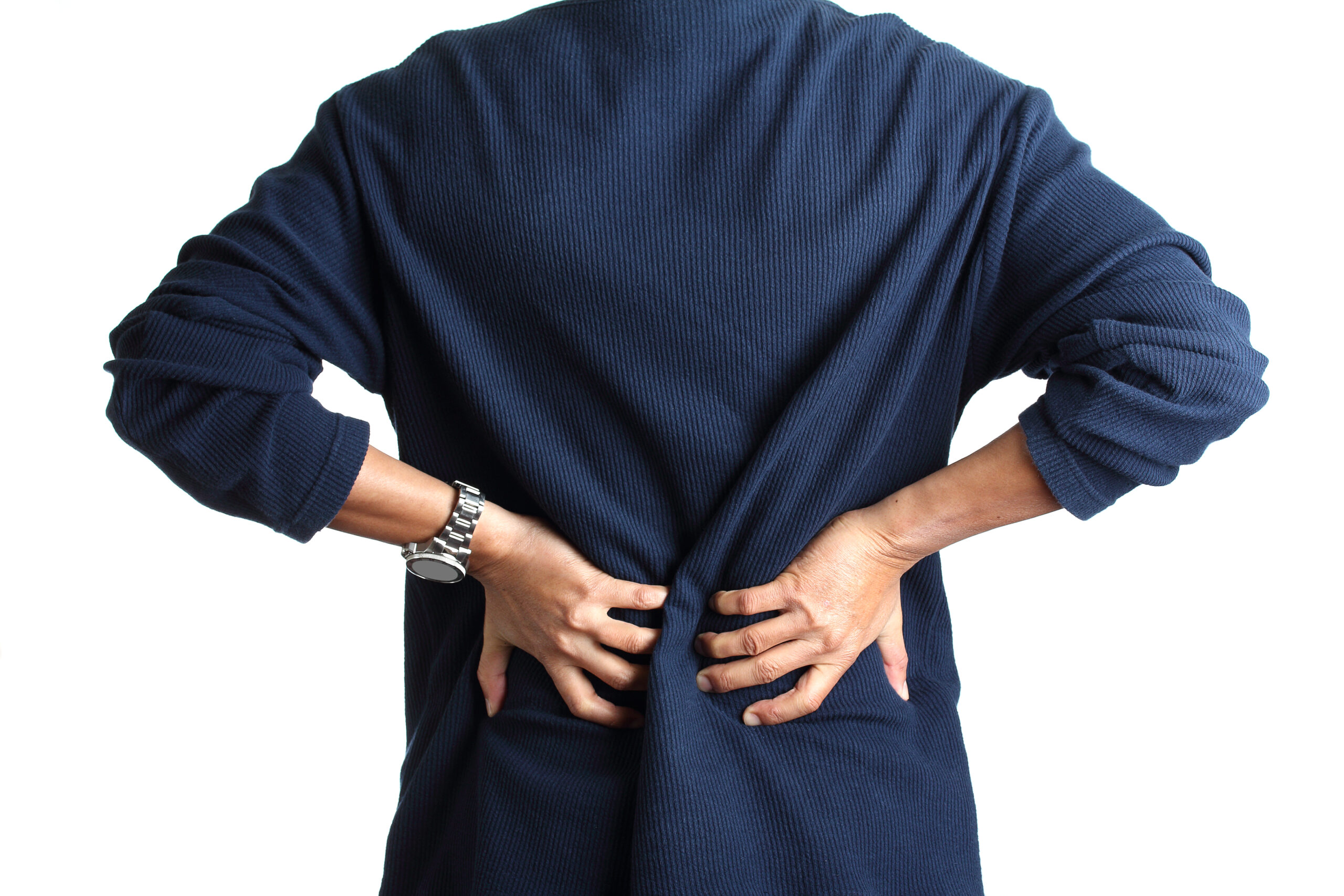
Back pain is one of the most common reasons people seek medical attention and a herniated disc is one of the most frequent culprits! If you’ve felt sharp pain radiating from your back down your leg or tingling or numbness that won’t go away, a herniated disc could be part of the problem.
Causes of a Herniated Disc
A herniated or slipped disc occurs when some of the internal section of a spinal disc slips out through a crack in the disc’s fibrous lining. Most commonly, the issue occurs in the lower back, but it can also happen in the spinal column of the neck and middle back. The cause of a herniated disc is usually gradual wear and overuse or repeating movements over time. In older populations, spinal discs become drier and weaker, making a herniated disc more likely. Medical conditions like spinal stenosis and connective tissue disorders increase the risk of a herniated disc.
Symptoms of a Herniated Disc
In some cases, no symptoms will be evident. However, common symptoms can include:
- Numbness or tingling. When the herniated disc presses on the spinal cord or the nerves that exit the spinal cord, unusual sensations may travel outwards along the nerve into the arms and legs.
- Muscle weakness. The muscles connected to the nerve may become weaker and can cause stumbling when walking.
- Burning or sharp pain occurs in the back and may radiate out to the arms and legs. Sometimes the pain worsens with sitting, bending, or coughing.
Not all herniated discs cause pain. In fact, sometimes people have bulging discs and don’t even realize it. Pain usually becomes a factor only when the disc irritates or compresses a nearby nerve root.
Why Does a Herniated Disc Occur?
- Age-related changes: As we get older, discs lose hydration and elasticity, making them more prone to tearing.
- Poor body mechanics: Slouching or prolonged sitting or repetitive bending and lifting places extra stress on the spine.
- Sudden heavy lifting: Lifting and twisting can sometimes cause a herniated disc.
- Sedentary lifestyle: A sedentary lifestyle causes core and back muscles to offer less support to the spine.
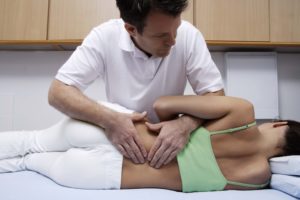
Physical therapy is an important part of the healing process.
- Genetics: Some people simply have a predisposition to disc problems.
How Does Physical Therapy Help a Herniated Disc?
For most people, conservative care like physical therapy is an effective line of treatment. The goal of therapy is to reduce pain, restore movement, and to prevent future episodes. Here’s what physical therapy usually involves:
Comprehensive Evaluation
Your physical therapist will review your medical history, symptoms, and activity level. We’ll perform an assessment of posture, movement, strength, flexibility, and nerve function. Understanding which movement causes the most pain or relieves symptoms enables us to design a personalized treatment plan.
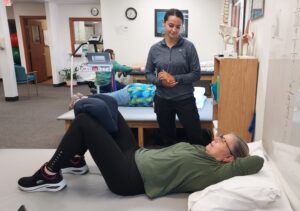
Strengthening the muscles around the disc is important for recovery. Dr. Renee Ross is shown here with a patient in our Bedford clinic.
Pain Management and Inflammation Reduction
Techniques to reduce inflammation include gentle stretching, controlled movements, and modalities such as heat, ice, laser, or electrical stimulation. We often demonstrate positions or exercise that relieve pressure on the affected nerve.
Restoring Movement and Strength
As the pain improves, a physical therapist will gradually add targeted exercises to strengthen the core, hips, and back muscles that support the spine. Every exercise has a purpose: to retrain your body to move without stressing the injured disc.
Education and Body Mechanics
Teaching you how to move differently, lift properly, and sit with good posture is an important part of treatment. A physical therapist will help you to modify daily activities to protect your spine and prevent future flare-ups.
Tips to Prevent a Herniated Disc

Dr. Zac Melling treats back pain patient in the Hurt clinic.
- Stay active
- Strengthen your core
- Maintain good posture
- Live safely
- Don’t ignore early signs
Remember
A herniated disc doesn’t necessarily mean surgery or long-term pain. Physical therapy offers a powerful, evidence-based approach to healing. With guided exercise, education and a personalized plan, most people return to their daily activities stronger than before. For more information about Rehab Associates, please visit our website: www.racva.com. To see us in the clinic, please give us a call today at 855-722-8478.

Dr. Harrison Hunt
Dr. Harrison Hunt is a Rehab Associates partner and executive vice president of marketing. She earned her Master’s of Science in Physical Therapy from Old Dominion University and her Doctor of Physical Therapy from Rocky Mountain University. A certified manual therapist, Dr. Hunt enjoys general orthopedics and sports rehab. She sees patients in our Bedford clinic. In her spare time, Dr. Hunt enjoys running and skiing.