Starting physical therapy is a big step, so it’s important to get the most out of your physical therapy sessions! Whether you’re recovering from surgery, healing from an injury, managing a chronic condition, or preventing decline, physical therapy can help you restore movement, reduce pain, and improve your quality of life. Like most things, the results you get depend on the effort you put in! To get the most out of your physical therapy sessions, you have to prepare, engage, and follow through. Here are some steps to take:
1. Arrive Prepared.
Before your first visit, jot down some information such as when your pain or limitation started, what makes your symptoms better or worse, what you’re tried previously, what medications you’re taking, and what your goals are for physical therapy. Do you want to return to work? Play with grandkids? Get back to gardening? What are your overall goals?

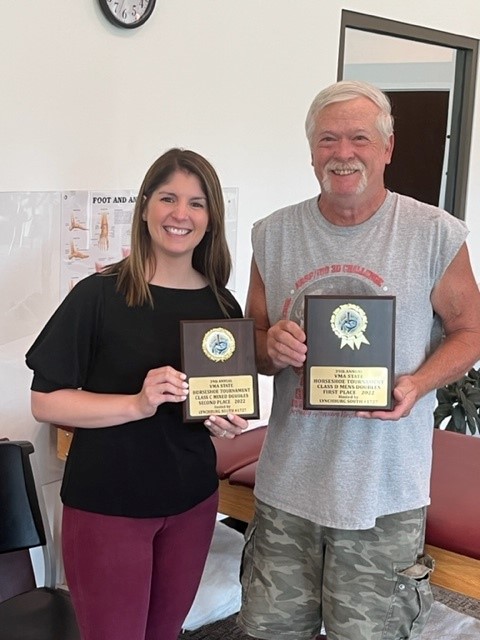
In her spare time, Dr. Harvey enjoys having fun with her family.
2. Engage by Setting Clear, Realistic Goals.
Get the most out of your physical therapy sessions by making sure you and your physical therapist are on the same page, working toward the same targets. Instead of saying, “I want my pain to go away”, think of what you might want to do. For example:
- “I want to walk up the stairs again.”
- “I want to get back to jogging five miles.”
- “I want to carry in my groceries.”
- “I want to reach the top shelf of my cabinet.”
Clear goals will help your physical therapist’s treatment choices, but will also help you measure your progress.
3. Be Honest with your Physical Therapist.
To get the most out of your physical therapy sessions, you have to communicate openly and honestly with your physical therapist. Let him or her know how you’re feeling both physically and emotionally. If you’re anxious about a re-injury, say so. If you’re not doing your home exercises, admit that. Your physical therapist is on your side and wants to help you improve and meet your expectations. So, you have to be clear and honest.
4. Understand that Progress Takes Time.
We all would like a quick fix, but physical therapy is rarely about overnight change. Muscles need to strengthen, tissues need to heal, and movement patterns need to be retrained. Consistency creates a foundation for lasting results. Showing up for appointments and doing home exercises is key.
Tracking your progress is so important. Celebrate milestones along the way to keep motivation strong.
5. Commit to your Home Exercises.
Think of physical therapy as classroom work and home exercises as homework. The exercises your physical therapist prescribes are designed to reinforce what you’re learning. Plus, the home exercises help you progress toward your goals quicker. If you’re not consistent, progress is slower. The more consistent you are with home exercises, the less time you will spend in physical therapy. To make home exercises part of your routine:
- Schedule them into your day.
- Pair them with existing habits. For instance, do your stretches after you brush your teeth.
- Break them into smaller chucks. Do some exercises in the morning and the rest in the evening.

A physical therapist in Forest, VA, Dr. Harvey enjoys general orthopedics, sports medicine, and vestibular therapy.
6. Ask Questions and Stay Involved.
Feel free to ask why exercises or manual techniques are being used. Understanding the “why” behind your treatment builds trust and helps you get to most out of your therapy sessions. In fact, an engaged patient is a more successful patient. You might ask for example:
- “What muscle is this exercise targeting?”
- “How will this help me get back to what I love doing?”
- “What should I do if I feel pain while I’m doing this exercise at home?”
7. Focus on Whole-Body Wellness.
Your sleep, stress level, nutrition, and daily habits all affect recovery. Address overall health to create a better environment for physical therapy success. Here are some helpful hints:
- Stay active within your limits. Gentle walking and light activity promote healing. Check with your doctor and your first therapist about what’s appropriate.
- Fuel your body well. Adequate protein, hydration, and nutrients support muscle repair.
- Manage stress with breathing exercises or relaxation techniques. Stress can increase tension and increase pain.
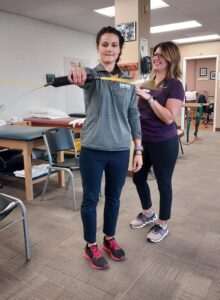
Being consistent with physical therapy is key to long-term results.
- Prioritize sleep. Muscles need downtime to rebuild.
8. Stay Consistent, Even After Discharge.
Graduating from physical therapy doesn’t mean your work is over. In fact, maintaining the exercises and strategies you learned is the key to preventing setbacks. Make sure you have a “maintenance plan” before you’re discharged. Being proactive helps protect the process you’ve made and reduces your chances of re-injury.
9. Advocate for Yourself.
To get the most out of your physical therapy sessions, you have to advocate for yourself. Speak up. A good physical therapist will welcome your input and adjust as needed. Physical therapy is a partnership between you and your physical therapist. Your physical therapist brings education, knowledge, techniques, and guidance. You bring effort, communication, and commitment. When both sides are fully engaged, physical therapy yields results that can be life-changing. By preparing ahead of time, setting realistic goals, and keeping an open dialog, you’re setting yourself up for success. You can get those most out of your physical therapy sessions and regain your confidence in what your body can do!

Dr. Lindsay Harvey treats patients in the Rehab Associates Forest clinic.
Dr. Lindsay Harvey received her bachelor’s degree from Texas State University and her doctor of physical therapy degree from The University of Lynchburg. She enjoys general orthopedics and vestibular and sports rehab, and she is certified in dry needling. Patient-focused, Dr. Harvey practices in the Rehab Associates clinic in Forest, VA.
To see Dr. Harvey at Rehab Associates, please call today at 855-722-8478. For more information about the team of patient-focused physical therapists at Rehab Associates, please follow this link: racva.com.